


Behavior Assessment & Trigger Identification
Reactive and aggressive behaviors often stem from fear, anxiety, frustration, or a lack of understanding and not stubbornness. At SimplyK9 Training LLC, I help owners understand behavior at its source while creating personalized behavior transformation plans that build trust, confidence, and lasting real-life results.
Behavior Transformation & Emotional Regulation
Every program begins with a comprehensive behavior assessment. I identify your dog’s triggers, emotional state, communication patterns, and environmental influences to understand why reactive or aggressive behaviors occur.
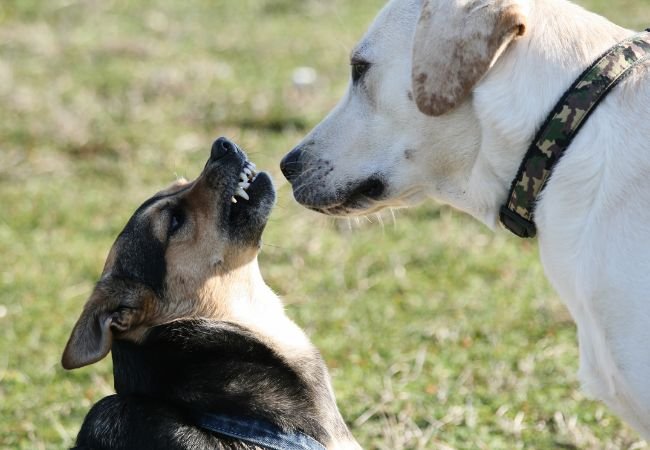
Comprehensive Behavior Support
Using science-backed, relationship-first coaching, I help dogs develop calmer responses through structured behavior modification, confidence building, and emotional regulation exercises. Training progresses at your dog’s pace, ensuring they remain comfortable while learning new coping skills.
MY programs may address reactivity, fear, anxiety, aggression, resource guarding, overarousal, frustration, barking, lunging, pulling, and other challenging behaviors. The goal is to replace fear and uncertainty with confidence, trust, and better decision-making in real-life situations.
As dogs become more emotionally balanced, they gain greater self-control and confidence, allowing them to respond more appropriately to everyday environments and experiences.
Owner Coaching & Real-Life Success
Successful behavior transformation begins with educating the owner. I teach you how to recognize body language, understand communication, manage challenging situations, and confidently guide your dog using practical, real-life techniques.
By strengthening your leadership and improving communication, you’ll develop the skills needed to prevent unwanted behaviors, support lasting progress, and build a calmer, more trusting relationship with your dog.
Frequently Asked Questions
These behaviors often develop from fear, anxiety, frustration, lack of confidence, past experiences, or environmental influences rather than intentional aggression.
Yes. With personalized coaching, behavior modification, and owner involvement, many dogs learn calmer, more confident responses over time.
Every dog is different. Progress depends on your dog’s history, behavior, consistency, and individual goals.
Absolutely. Owner coaching is an essential part of our programs, helping you confidently support your dog’s progress at home and in real-life situations.
Yes. Fear, anxiety, and frustration are common causes of reactivity.